Application
Identify vehicle platform, axle position, production year and market. A VIN or OE reference can help narrow the discussion but should be checked against the actual installation.
SOURCING SERVICES
Move from an incomplete part reference to a documented wheel-end requirement, with the application and outstanding decisions visible from the start.
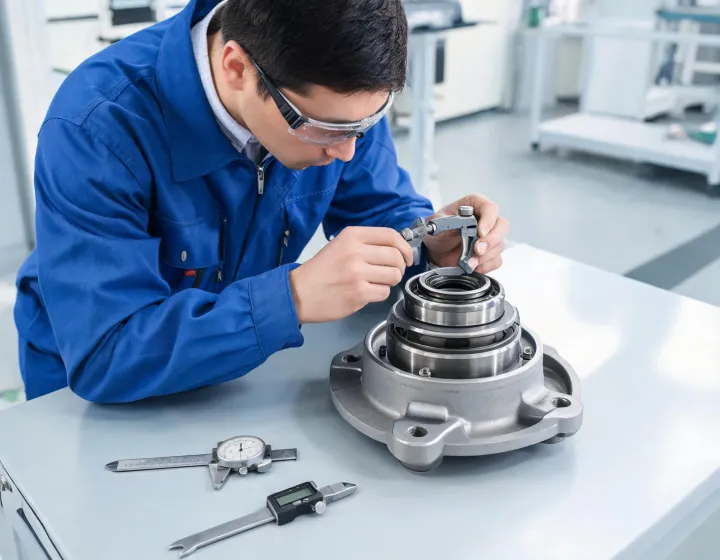
Identify vehicle platform, axle position, production year and market. A VIN or OE reference can help narrow the discussion but should be checked against the actual installation.
Document bore, outside diameter and width, together with flange geometry, bolt pattern and any encoder or sensor interface that affects the assembly.
Determine whether the request covers a bearing alone, an integrated hub unit or a kit with seals and installation hardware. Specify packaging and labeling needs.
Provide expected volume, release pattern, destination and timing. These details help define a quotation and highlight points requiring confirmation.
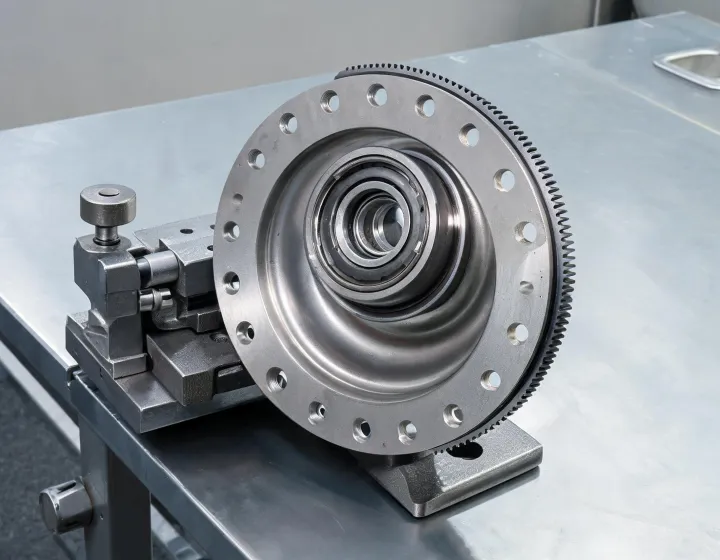
A replacement inquiry may start with an OE number and an image. The review should also capture mounting face, sensor connection and the condition of adjacent components. A drawing or physical sample can clarify conflicting references.
Before ordering, confirm the intended position and any included fasteners against the vehicle manufacturer’s service information. A familiar-looking flange alone is not proof of fit.
When a distributor is preparing a kit, each component needs its own agreed scope. Bearing type, seal orientation and hardware are considered alongside installation instructions and the destination market.
Packaging quantities and traceability expectations should be recorded with the final bill of materials so that repeat orders can be compared against the same specification.
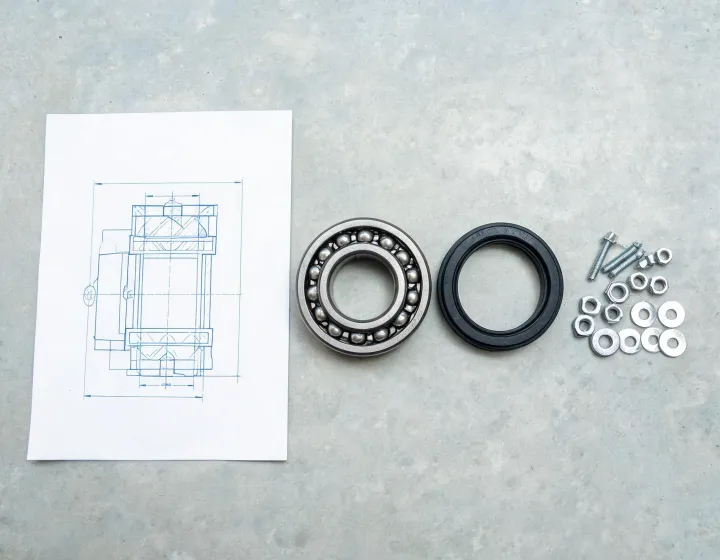
Send your current information and identify the items still needing review. Drawings and validation requirements can be discussed during follow-up.