Wheel bearings and kits
The product discussion begins with the bearing, its mating parts and the service context. A separate bearing and an integrated hub unit can have different replacement procedures and component scopes.
COMPANY
A concise approach to wheel bearing sourcing, built around clear information and a shared understanding of the application.
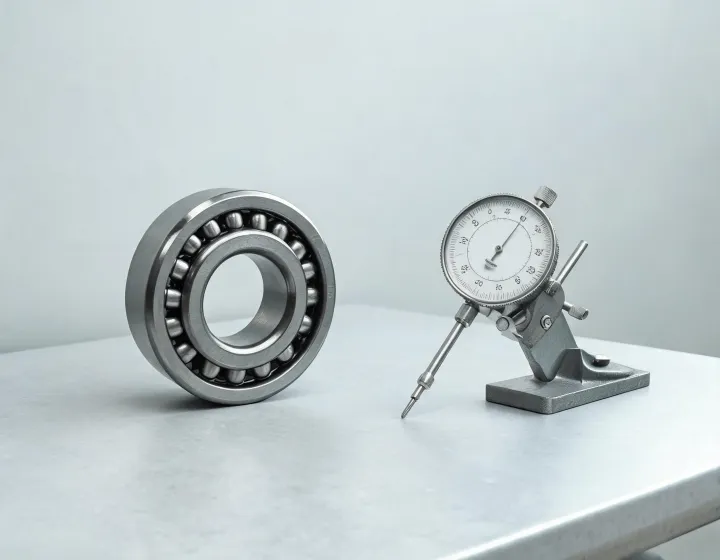
The product discussion begins with the bearing, its mating parts and the service context. A separate bearing and an integrated hub unit can have different replacement procedures and component scopes.
Dimensions, OE references and vehicle position are collected together. Similar external shapes can conceal differences in internal geometry, sealing or wheel-speed sensor interfaces.
Drawings, revision levels and validation expectations give purchasing and technical teams a common record. Any unresolved point should remain visible until both sides agree on its disposition.
Quantity, labeling, packaging and lot identification are practical parts of an inquiry. Recording them early makes it easier to compare future releases against the agreed requirements.
Ask for current evidence relevant to the specific product, facility and market. A management-system certificate describes a system scope; it is not a substitute for product testing or market approval.
Where a standard is requested, its applicability should be verified against the item and destination. The purchasing team can use that boundary to avoid treating unrelated documents as interchangeable.
Use the checklist to organize the information that matters for your application.
Open Quick Spec